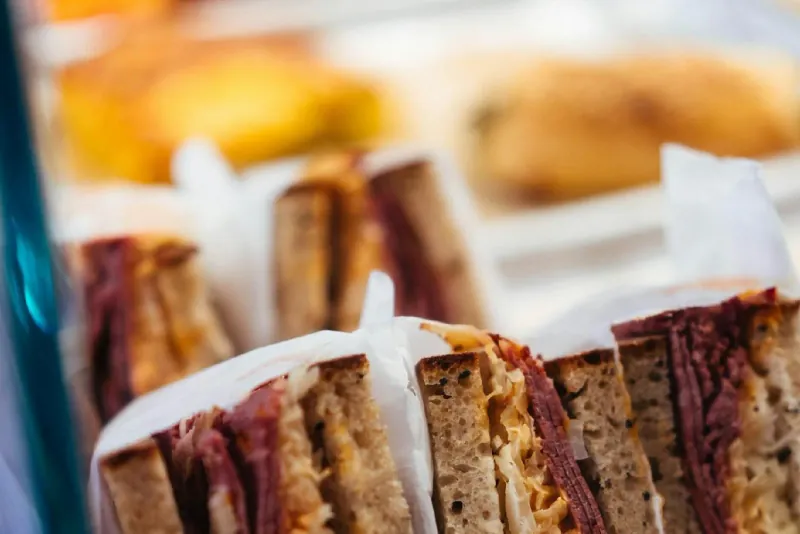
Boar's Head Deli Meats Subject to Serious USDA Recall — Check Your Home Now
By the EatSure teamPublished 2 min read
On this page
The Boar's Head Listeria outbreak stands as one of the deadliest food contamination events in recent U.S. history — killing 10 people and hospitalizing dozens across 18 or more states. If you purchased Boar's Head deli meats in 2024, here's what you need to know.
What Was Recalled?
The USDA's Food Safety and Inspection Service (FSIS) issued a Class I recall — the highest severity — for Boar's Head liverwurst and other ready-to-eat deli meat products contaminated with Listeria monocytogenes.
The recall initially focused on liverwurst but expanded to cover additional deli meat products produced at the same facility. A follow-up recall of Boar's Head cheese products was issued in November 2025.
Source: USDA FSIS — Boar's Head Provisions Recall
How Bad Was the Outbreak?
This was not a routine recall. The numbers tell a devastating story:
- 10 deaths confirmed
- Dozens hospitalized
- 18+ states affected
One of the deadliest foodborne illness outbreaks in recent U.S. history.
Health Risks: Understanding Listeria
According to the CDC, Listeria monocytogenes is especially dangerous for:
- Pregnant women (can cause miscarriage or stillbirth)
- Adults 65 and older
- People with weakened immune systems
Symptoms may include fever, muscle aches, nausea, and diarrhea. In severe cases, Listeria can cause meningitis and sepsis. Symptoms can appear 1 to 4 weeks after eating contaminated food — sometimes up to 70 days later.
What You Should Do Right Now
- Check your freezer.
- Do not eat any Boar's Head deli products you're unsure about.
- Discard or return affected products to the retailer.
- Clean your deli drawer. Listeria can survive and grow.
- Seek medical attention if you ate these products and develop symptoms.
- Report any illness to your local health department.
The Recall Timing Problem
Listeria has an unusually long incubation period — up to 70 days. That means by the time cases are traced back to a source, the contaminated product may have been consumed weeks or months earlier. The lag between contamination, illness, investigation, and public announcement is one of the biggest challenges in food safety. This outbreak demonstrated that delay in painful detail.
Stay Protected With EatSure
Most people don't find out about recalls until it's too late.
EatSure sends you an alert the moment the FDA or USDA makes an announcement — and checks it against what you've actually bought.
Upload your grocery receipts and the app cross-references every item against the latest recall database. See if anything in your fridge is recalled right now.